

Panama’s environmental agenda received a significant international endorsement this week as the Bezos Earth Fund announced a new $24.5 million investment aimed at strengthening marine protection across the Eastern Tropical Pacific. The funding includes Panama, Costa Rica, Colombia, and Ecuador, and positions the region as one of the most ambitious, coordinated marine conservation efforts currently underway worldwide.
For Panama, this announcement reinforces a broader narrative that has been taking shape over the past several years – a country increasingly serious about protecting its oceans, biodiversity, and natural capital, while working alongside global partners to do so.
A major vote of confidence in Panama’s marine strategy
The new funding pushes the Bezos Earth Fund’s total investment in the region past $60 million. Since 2021, the four participating countries have designated more than 400,000 square kilometers of new marine protected areas, nearly tripling regional ocean protection. Panama, Costa Rica, and Colombia have each now safeguarded over 30 percent of their national waters, while Ecuador has expanded protection in key strategic marine zones.
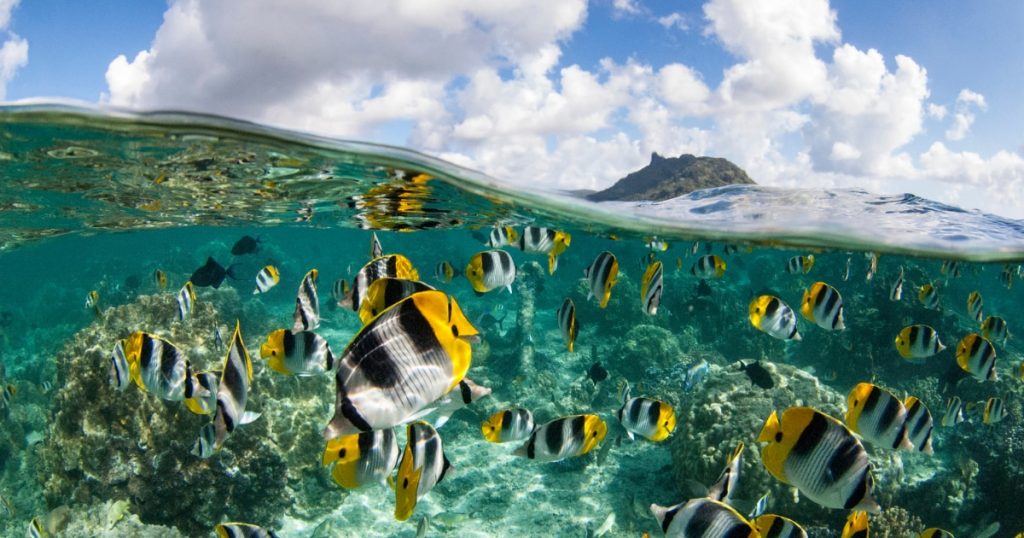
In Panama’s case, this includes expanded protections around internationally significant ecosystems such as Coiba National Park and its surrounding waters. According to the Ministry of Environment, Panama has now protected more than half of its maritime territory, a notable milestone for a country whose economy and identity are deeply tied to the ocean.
Where the money is going
The funding is not symbolic. It is targeted and operational.
Resources will support park rangers, coastal communities, and local organizations through improved patrol planning, better access to satellite data, and enhanced safety and training in remote marine zones. These waters are vast, difficult to monitor, and vulnerable to illegal fishing and environmental degradation without modern tools.
Specific allocations include:
-
$13.85 million for coastal nursery protection through partnerships involving Panama-based conservation groups.
-
$1 million to expand monitoring of migratory species such as sharks, turtles, whales, and tuna.
-
$4 million for satellite-based patrol planning tools.
-
$5.65 million for equipment, training, and operational support for marine enforcement teams.
In addition, the initiative includes the deployment of more than 1,200 underwater cameras and the use of environmental DNA sampling to track biodiversity trends and guide conservation decisions.
Science, sovereignty, and healthy skepticism
Panama has historically welcomed international cooperation, investment, and expertise, particularly when aligned with national priorities. Environmental protection is no exception. The scientific value of better data, improved enforcement, and long-term funding mechanisms is clear, and few would argue against protecting ecosystems that support fisheries, tourism, and coastal livelihoods.
That said, it is also healthy to maintain a measured, transparent conversation around how these technologies are used and governed.
Monitoring oceans through satellites, underwater cameras, and advanced data systems is framed as conservation-driven, and largely is. Still, any initiative involving persistent monitoring, data collection, and foreign-funded technology naturally raises questions around data ownership, access, and long-term oversight. These are not accusations, but reasonable considerations for any sovereign nation participating in large-scale international monitoring efforts.
Clear governance frameworks, local control, and transparency will be key to ensuring these tools remain focused on conservation outcomes and national interests.
What this means for Panama long term
At its core, this initiative strengthens Panama’s position as a serious environmental steward on the global stage. Protected oceans support sustainable fishing, resilient coastal communities, and long-term economic stability tied to nature-based industries.
Regions such as Coiba, the Azuero Peninsula coastline, and other marine-adjacent communities benefit indirectly through healthier ecosystems, stronger environmental branding, and continued international confidence in Panama’s governance.
Panama’s challenge now is balance – embracing global partnerships while maintaining clarity, oversight, and national control. If done right, this funding becomes not just an environmental win, but a model for how small countries can collaborate globally without losing sight of sovereignty.
Date written: December 14, 2025