


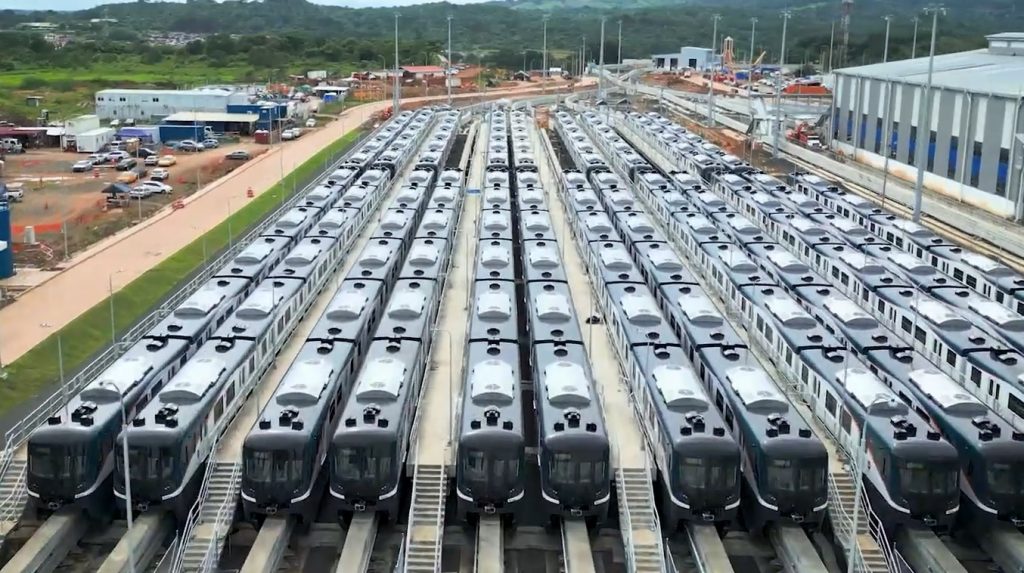
The Panamanian government has approved a $802,460 consulting contract to determine whether the proposed Panama–Paso Canoas railway is financially viable over the long term.
The contract was authorized by the Council of Cabinet and awarded through the National Railway Secretariat of Panama. The consulting firm KPMG will carry out the study over a six-month period.
What the study will do
The main goal of the consultancy is to build a 30-year financial model for the railway project. This model will analyze whether the train can be economically sustainable once built and operated.
The study will look at:
-
Expected construction and operating costs
-
Long-term revenue projections
-
Different financing structures, including public-private partnerships (PPPs)
-
Risk scenarios and financial stress tests
In simple terms, the government wants clear, technical answers before moving forward with such a large infrastructure investment.
About the Panama–Paso Canoas train
The proposed railway would stretch approximately 480 kilometers, connecting Panama City with Paso Canoas, the border town with Costa Rica.
According to early projections:
-
The train would carry both passengers and cargo
-
Travel time between Panama City and David could be reduced to under three hours
-
The system is designed to improve national mobility, regional integration, and logistics efficiency
Why this step matters
Officials have emphasized that this financial study is a necessary gatekeeper before advancing to later stages of the project. Without a solid economic foundation, the government says it will not commit to construction or long-term funding.
By commissioning this analysis now, authorities aim to ensure that future decisions are based on data rather than assumptions, especially given the scale and cost of the project.
The results of the study will help determine if, how, and under what financial structure the railway could realistically move forward.
Article written on December 21, 2025