

Tourism Ends 2025 on a Stronger Footing
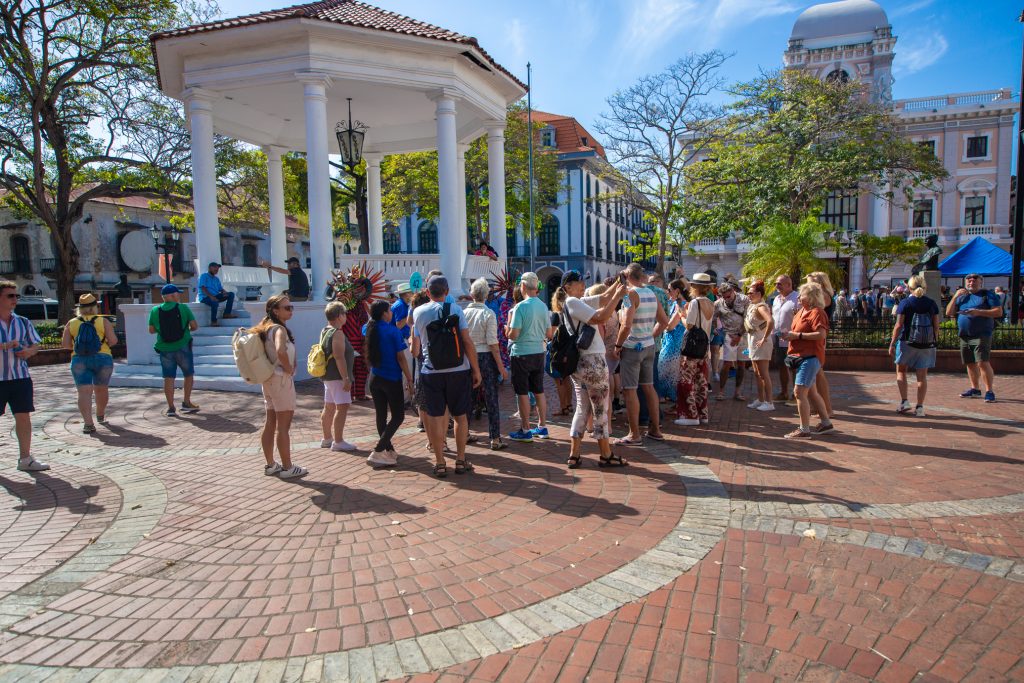
Panama closed fiscal year 2025 with stronger tourism indicators, led by higher hotel occupancy and more visitor spending across the country. According to the figures provided, hotel occupancy rose by 8 percentage points during the year, while tourism-related revenue exceeded $6.5 billion. Together, those results point to a broader recovery in travel demand and a stronger contribution from tourism to the national economy.
Growth Came From More Than One Tourism Segment
The performance was not tied to a single segment. Instead, it reflected gains across business events, cruise activity, and longer stays that reached destinations beyond Panama City. This matters because tourism growth tends to create ripple effects well beyond hotels, supporting transportation, restaurants, retail, and service-related employment.
Conventions and Cruise Activity Helped Drive Occupancy
One of the main drivers was the meetings and conventions segment. The Panama Convention Center helped attract large-scale events that supported weekday occupancy and gave the capital a more stable visitor flow. Cruise tourism also played a role. With the Amador Cruise Terminal bringing in passengers who begin or end their trips in Panama City, hotels benefited from short stays before embarkation or after arrival.
Interior Destinations Gained More Visibility
Another important factor was the broader promotion of destinations in the interior. Areas that offer nature, beaches, and lifestyle appeal helped extend the average visitor stay and distribute spending more widely across the country. For buyers, investors, and expats watching Panama’s long-term positioning, this kind of diversification is often more meaningful than one strong season in the capital alone.
Tourism Spending Reached Deep Into the Economy
The tourism economy’s reported $6.5 billion impact also suggests deeper benefits across the local market. Visitor spending supports airlines, private transport, restaurants, shops, and thousands of service jobs. Panama’s growing profile as a food destination may also be helping raise average spending per visitor, while shopping tourism continues to support the commercial sector in Panama City.
International Promotion Played a Central Role
A major part of the 2025 strategy was international promotion. The national tourism campaign increased visibility in key source markets such as the United States, Canada, Colombia, and Spain. Panama’s stopover program remained one of the most practical conversion tools. Travelers connecting through Tocumen International Airport were able to add a stay in Panama at no additional airfare cost, encouraging more visitors to spend time and money in the country instead of only passing through.
Why This Matters for Real Estate
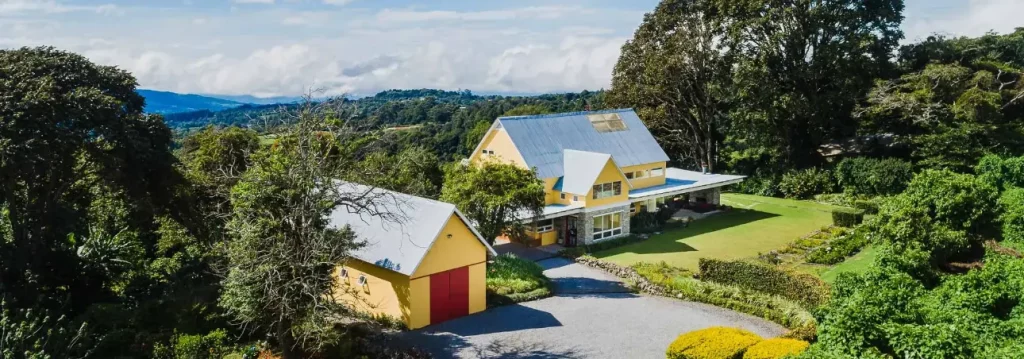
For real estate watchers, the bigger takeaway is not just visitor volume. It is the type of movement this creates. A tourism market that expands into multiple regions can raise visibility for lifestyle destinations and second-home markets. Communities such as Boquete, Playa Venao, and Santa Catalina may continue to benefit from that added exposure as more travelers explore Panama beyond a short city stay.
How This Could Affect Property Markets
This does not automatically mean prices will surge everywhere. That assumption would be too simplistic. Tourism growth can improve visibility, rental demand, and business confidence, but the property effect usually depends on infrastructure, access, and the quality of local supply.
Still, stronger tourism numbers can help certain areas in practical ways. In destinations with established hospitality appeal, increased visitor traffic may support short-term rental performance, encourage new small business activity, and improve buyer familiarity with the area. For lifestyle and second-home markets, that matters because many purchases start with a travel visit. Places that combine accessibility, natural appeal, and growing services are more likely to feel the impact first.
Growth Still Brings Challenges
At the same time, the article also points to real constraints. Panama still needs continued investment in sustainability, staff training, and tourism infrastructure if it wants to maintain this pace into 2026. Those factors can affect the quality of the visitor experience and, over time, the confidence of both travelers and property buyers.
The 2026 Outlook Remains Constructive
Looking ahead, the outlook for 2026 remains constructive. If airline partnerships continue and Panama keeps expanding its ecotourism and adventure offerings, the country may be in a position to push tourism revenue even higher. New hotel development in areas like Bocas del Toro and Santa Catalina could also widen the range of destinations competing for higher-value travelers.
A Bigger Story Than Tourism Alone
For buyers, investors, and expats, 2025 reinforced a simple point: tourism is not just a travel story in Panama. It is also a visibility, infrastructure, and regional growth story.