

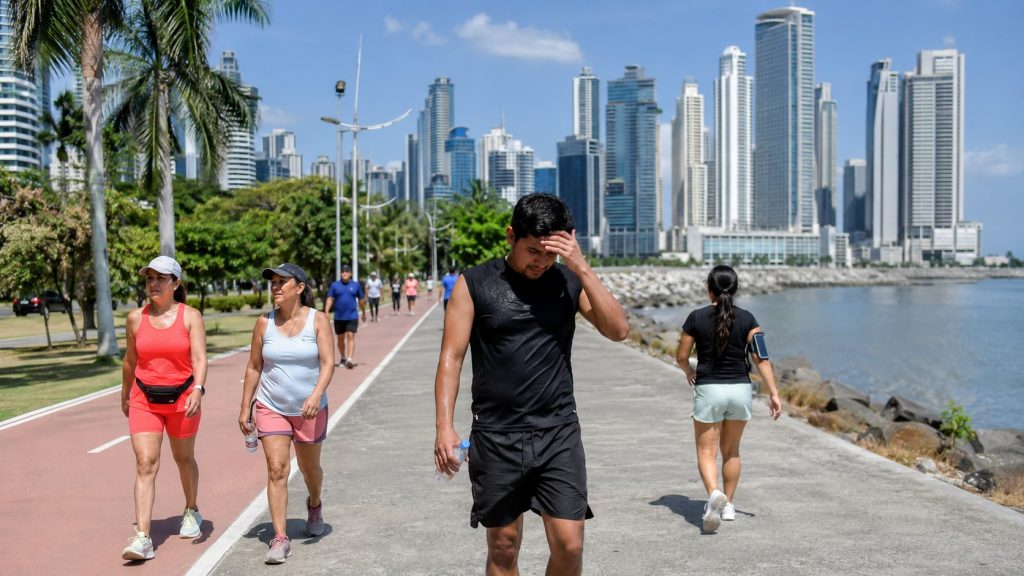
Panama is experiencing weeks of intense heat, high humidity and elevated heat index conditions as local weather authorities monitor the effects of El Niño on the country’s climate. The heat is being felt across urban, coastal and inland areas, with particular pressure on daily routines, fishing activity, energy consumption and public health.
According to TVN Panamá, Panama’s Institute of Meteorology and Hydrology, known as IMHPA, has maintained alerts for high temperatures and elevated thermal sensation in several regions of the country. IMHPA officials explained that the combination of warm Pacific air, insufficient rainfall and high humidity is making the heat feel stronger than the actual temperature alone would suggest.
Is Panama Breaking Temperature Records?
At this point, it is better not to say that Panama is breaking national temperature records unless an official record is cited. What has been reported is intense seasonal heat, high thermal sensation and localized extreme conditions. La Estrella de Panamá reported that March 2026 was the hottest month of the year so far, with a national average of 32.2 degrees Celsius (90.0 degrees Fahrenheit) and a peak of 37.7 degrees Celsius (99.9 degrees Fahrenheit) in Macaracas, Los Santos. That is significant, but it is not the same as confirming an all-time national record.
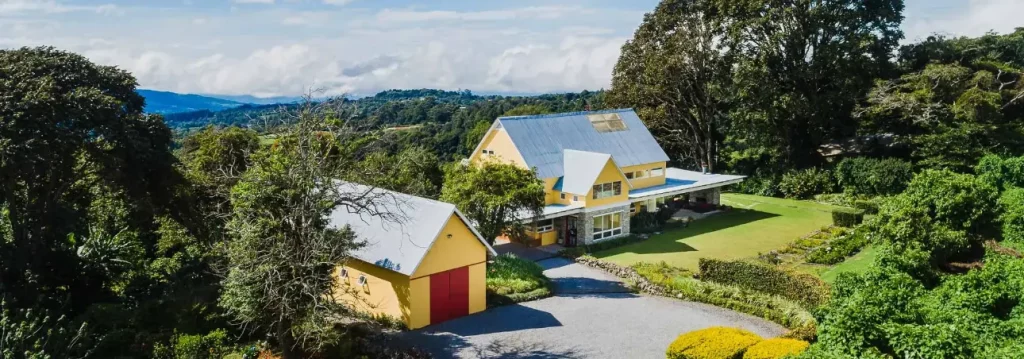
In practical terms, people in Panama City, coastal areas of the Pacific and warmer inland communities are feeling the heat more sharply during the middle of the day. Higher-elevation areas such as Boquete may still feel more comfortable by comparison, but the broader climate pattern affects the entire country through rainfall, water, energy and food systems.
Why El Niño Matters
El Niño is linked to warmer-than-normal ocean surface temperatures in the central and eastern equatorial Pacific. For Panama and Central America, this often means hotter conditions, reduced rainfall in some areas and greater risk of drought.
There is an important technical distinction. NOAA’s Climate Prediction Center stated on May 14 that El Niño was likely to emerge soon, with an 82% chance between May and July 2026, and a 96% chance of continuing into December 2026 through February 2027. However, IMHPA has indicated that Panama uses its own local parameters to act earlier so authorities can prepare for potential impacts before formal international classifications are fully aligned.
The World Meteorological Organization also warned that El Niño is expected to develop from mid-2026 and that land temperatures are likely to be above normal in many parts of the world, with a strong signal over Central America and the Caribbean. (
Fishing Is Already Feeling the Impact
One of the clearest local economic effects is showing up in Panama’s artisanal fishing sector. Fishermen have reported lower catches of species such as corvina, sierra and mixed catch known locally as “revoltura.” Warmer water can reduce coastal productivity and push fish into deeper, cooler areas.
That means boats may need to travel farther and stay at sea longer. According to Jesús Morales, president of FENASPESCA, fishing trips that previously took seven or eight days are now lasting close to 12 days in some cases, increasing fuel needs and operating costs.
Electricity Demand and Higher Bills
The heat also affects households and businesses through air conditioning use. When temperatures rise, more people run air conditioners for longer hours, especially during the afternoon. Infobae reported that recent high temperatures have increased the use of cooling systems in homes, commerce and industry, placing electricity demand under closer watch.
Panama has not surpassed its historical peak electricity demand of 2,235 MW, recorded on August 30, 2023, but the system is again being tested by seasonal heat. La Estrella reported that on April 10, 2026, peak demand reached 1,937 MW at 3:51 p.m., while that same day set a maximum for energy delivered to the system at 37,742.81 MWh.
For consumers, the main impact may not be an immediate tariff change, but higher monthly bills due to heavier usage.
Canal and Wider Economic Watchpoints
A hotter and drier El Niño pattern can also raise concern for water-dependent infrastructure, especially the Panama Canal. Reuters reported that the Canal does not plan to restrict vessel passages for the rest of 2026, even with El Niño expected later in the year. The Canal Authority said Gatun reservoir levels have been kept historically high and that it is monitoring weather conditions closely.
Regionally, the concern is broader. UN food agencies have warned that El Niño could worsen vulnerability in Latin America and the Caribbean by disrupting rainfall patterns, increasing drought risks in Central America’s Dry Corridor and pressuring food systems.
A Hotter Season With Manageable Risks
Panama is not alone in facing El Niño-linked heat, but the country’s exposure is specific. Fishing, energy demand, water management, health precautions and daily comfort are the areas to watch most closely. The positive side is that authorities, energy operators and the Canal appear to be monitoring the situation early rather than waiting for the most severe phase.
For residents and visitors, the practical advice is simple: avoid direct sun during peak hours, stay hydrated, use shade and cooling efficiently, and pay attention to official weather alerts.
For readers considering life in Panama and wanting grounded, local guidance on communities, climate, lifestyle and long-term planning, Casa Solution Real Estate can help provide practical insight based on years of experience across the country.
Written on May 24, 2026.