

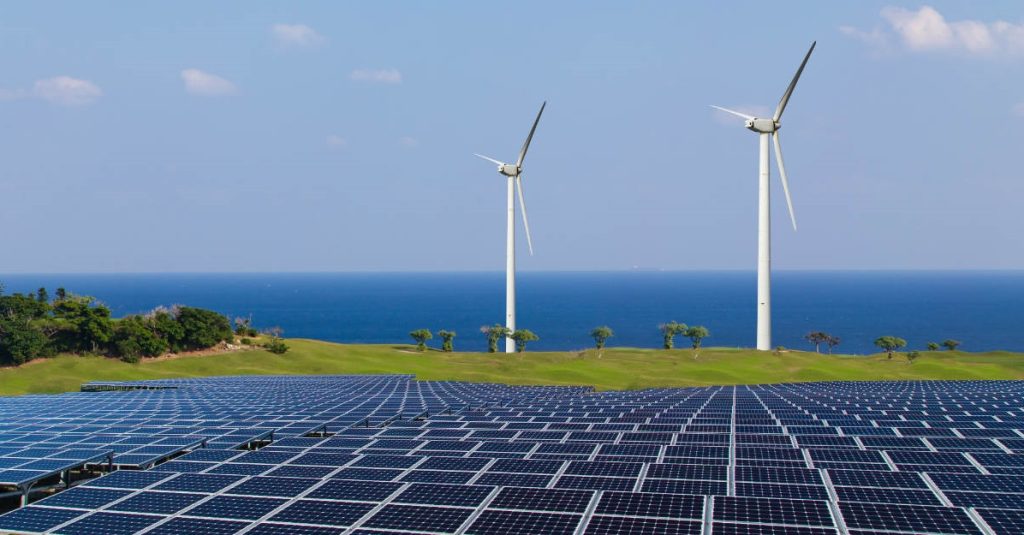
Panama is preparing a major shift in its energy future as the government rolls out a long-term roadmap that will guide the national power sector through 2050. Beginning in 2026, the country will introduce competitive renewable energy auctions aimed at accelerating investment in clean technologies, strengthening grid reliability and supporting national decarbonization.
This renewed structure, formalized in the National Energy Plan 2025-2050, is designed to give investors and developers a stable framework, clear regulatory signals and a coordinated policy environment for the next several decades. The plan was confirmed by the National Secretariat of Energy following extensive technical and participatory consultations.
A New Era of State-Led Energy Planning
A central feature of the roadmap is the return of active state-led planning. The strategy integrates environmental, territorial and social criteria, aligning multiple institutions under one coherent policy direction. The main goal is simple but ambitious: guide Panama’s energy market toward cleaner, more efficient and more diversified systems while ensuring universal access and higher service quality.
Beginning in 2026, Panama will launch a four-year cycle of energy auctions. The first rounds will prioritize hydropower and wind projects, followed by tenders that incorporate emerging technologies and support the gradual conversion of thermal plants to cleaner fuels. Authorities emphasize that all renewable sources will eventually be included.
Regulatory Modernization and Universal Access
Alongside the auction schedule, the government will advance a modernization of the regulatory framework. Reforms will focus on service quality, consumer protection and updated technical standards, addressing long-standing public concerns about reliability across the national grid.
One of the most transformative components is the universal access agenda. Approximately 58,000 households still lack stable power. The plan introduces electrification schemes for remote areas, regulatory updates for service obligations and new operating models designed to overcome logistical challenges.
Scaling Up Clean Technologies and Electric Mobility
The blueprint also highlights distributed generation, rural clean-energy systems and the continued growth of electric mobility. Panama aims to expand electric bus fleets and charging infrastructure while ensuring proper grid integration. Energy efficiency remains a priority, with updated appliance standards, labeling systems and public building upgrades.
To support transparency and long-term planning, the country is strengthening its open energy data platform, SiePanama. This system will improve emissions tracking and inform policy decisions across all energy segments.
Implications for Property Markets and Communities
Although the plan is national in scope, energy reforms often have meaningful effects on regional real estate markets. Areas experiencing growing electrification, cleaner transportation and improved service quality typically become more attractive to both residents and investors.
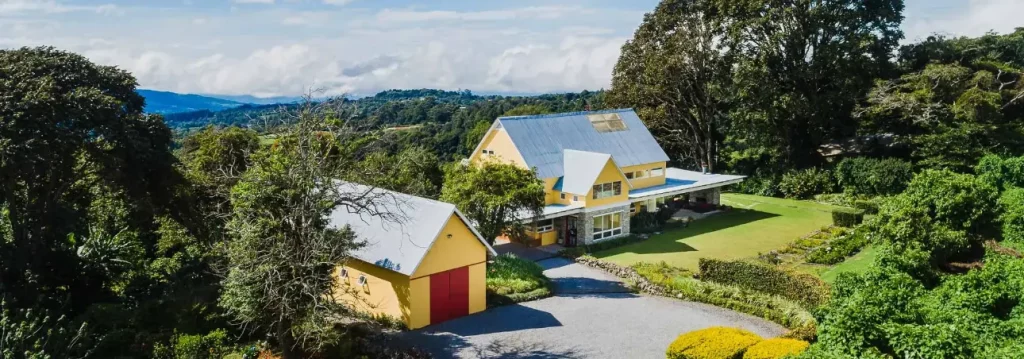
In high-demand communities such as Boquete, enhanced energy reliability can support continued growth in tourism, hospitality and residential development. Likewise, coastal destinations like Pedasi may benefit from the expansion of electric mobility and cleaner rural electrification systems, improving quality of life for full-time residents, local businesses and expats choosing Panama for long-term living.
These effects should be seen as long-term stabilizing forces rather than rapid price movers. Improved infrastructure typically strengthens confidence and encourages sustainable investment patterns, especially in regions already experiencing steady demand.
Conclusion
Panama’s National Energy Plan 2025-2050 marks the country’s most structured and forward-looking energy strategy in decades. With renewable energy auctions beginning in 2026, a refreshed regulatory framework and nationwide electrification efforts, the country is positioning itself for a cleaner and more resilient energy future. The approach blends environmental responsibility with economic opportunity, signaling a positive horizon for communities, investors and residents alike.
If you are considering property in Panama and want expert guidance on how long-term infrastructure plans may shape different regions, Casa Solution is here to help. Contact us anytime to explore options with clarity and confidence.
Written on December 7, 2025