

Panama has formalized a cooperation agreement aimed at strengthening oversight in its fisheries sector and reinforcing compliance with international standards. The accord, signed between the Autoridad de los Recursos Acuáticos de Panamá and the Organismo Internacional Regional de Sanidad Agropecuaria, focuses on implementing a national fisheries traceability system to validate catches and combat illegal, unreported, and unregulated fishing, commonly known as INDNR.
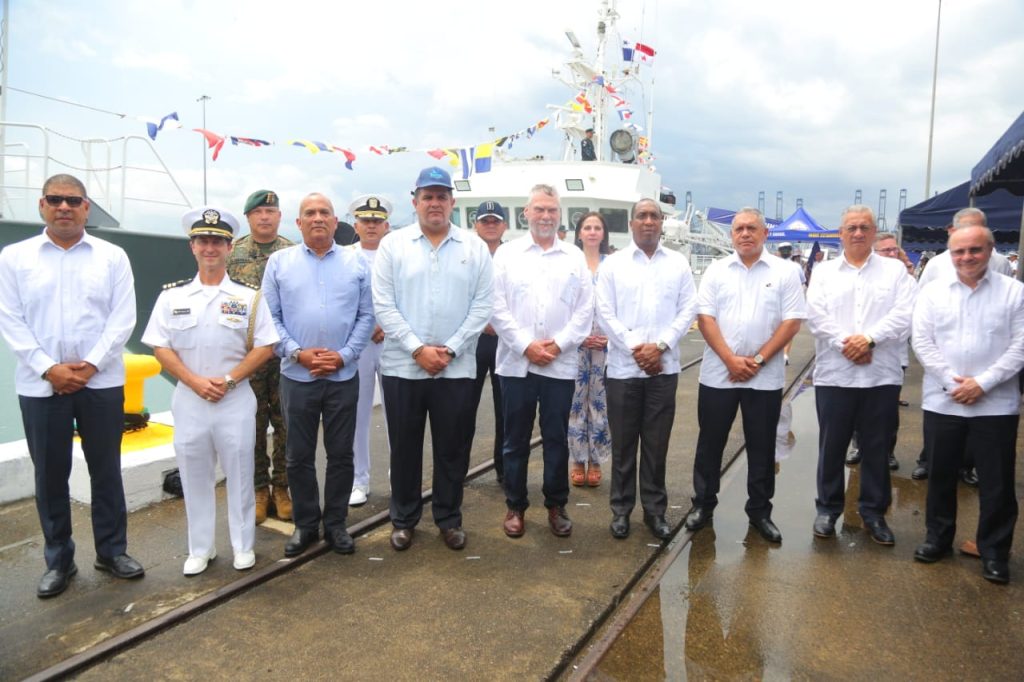
The signing took place at the Presidential Goals Secretariat and was attended by senior officials, including Secretary José Ramón Icaza and Acting Foreign Minister Carlos Hoyos. Authorities described the agreement as a coordinated interinstitutional effort designed to modernize monitoring mechanisms and align Panama more closely with global regulatory frameworks.
A Digital Traceability System for Fisheries
Under the agreement, Panama will develop a dedicated digital platform to track and verify fishery products from the point of capture through commercialization. According to ARAP Administrator Eduardo Carrasquilla, the system will improve data registration, monitoring, and control of national fishing activities.
The objective is to ensure that seafood exports meet international verification requirements, enhancing transparency across the supply chain. By strengthening traceability, Panama aims to prevent illegal catches from entering formal markets and to support responsible fishing practices.
Raúl Rosas Suazo, Executive Director of OIRSA, described the initiative as a historic milestone for the country. He stated that the agreement sends a clear message to the international community regarding Panama’s commitment to transparency, legality, and sustainability within its fishing and aquaculture industries.
Regional Leadership and International Positioning
Officials highlighted that Panama is the first country in the region to establish a cooperation agreement of this nature specifically focused on fisheries traceability. This move positions the country at the forefront of regional compliance efforts within the aquatic and fisheries sector.
Beyond enforcement, the agreement is intended to strengthen institutional capacity and improve Panama’s competitiveness in global seafood markets. Enhanced traceability systems are increasingly required by importing countries, particularly in North America and Europe, where regulatory scrutiny on seafood origin and legality continues to intensify.
Authorities also indicated that improved compliance may support Panama’s efforts to be removed from certain international watchlists related to regulatory oversight. Demonstrating verifiable control over fishing activities is considered a key component in meeting international benchmarks.
Addressing Illegal, Unreported, and Unregulated Fishing
Illegal fishing remains a global concern, affecting marine ecosystems, economic stability, and fair competition. By investing in digital tracking and standardized reporting systems, Panama seeks to reduce vulnerabilities that allow unreported or unauthorized catches to circulate.
The new system is expected to provide better documentation, enable cross-agency coordination, and facilitate audits when required by international trade partners. This approach aligns with broader global initiatives to protect marine biodiversity and promote sustainable resource management.
Looking Ahead
Implementation of the traceability platform will require technical development, institutional coordination, and training across the fisheries value chain. Authorities emphasized that the agreement marks the beginning of a new phase focused on strengthening governance and reinforcing the country’s international standing in the sector.
As global markets increasingly demand proof of origin and responsible sourcing, Panama’s decision to formalize this cooperation reflects a strategic effort to modernize oversight mechanisms and support long-term sustainability in its fisheries industry.
Date: February 14, 2026