

Panama Moves Forward With a New Forest Law
Panama’s Ministry of Environment (MiAmbiente) is working on updating the country’s forest law, which has been in place since 1994. The goal is to modernize how forests are protected, managed, and used across the country.
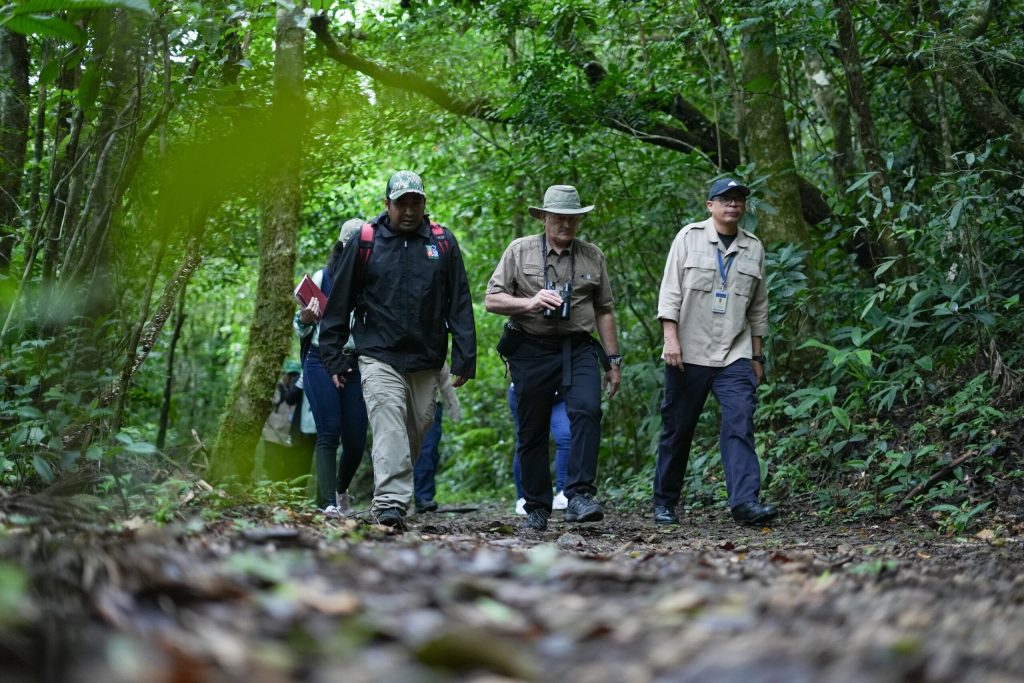
As part of this effort, MiAmbiente has held a series of information and listening workshops nationwide. About 250 people have participated so far, including members of local communities, universities, civil society organizations, and professionals connected to the forestry sector. Their feedback is being collected and reviewed as part of the draft law.
This phase is informational, not yet a formal public consultation. It is meant to explain the process, raise awareness, and gather early input before the law moves to the next stage.
Why the Law Needs an Update
According to MiAmbiente, the current forest law has gaps. Over time, policies, plans, and regulations were not developed in a clear sequence, which created confusion and weak enforcement.
Officials say the existing framework does not fully protect ecosystems or clearly define how forest resources should be used responsibly. This is important because around 75% of Panama’s land has forest potential, making forests a key national resource.
The updated law aims to:
-
Better protect ecosystems and biodiversity
-
Promote sustainable forest management
-
Clarify rules, responsibilities, and sanctions
-
Treat forests as a shared national asset
What People Are Saying
During the workshops, participants raised several important points, including:
-
Weaknesses in the current forest law
-
Lack of clarity around forest carbon ownership
-
The need for clearer and more consistent penalties
-
Problems in forest inventory and monitoring processes
-
Legal uncertainty around forest easements
All of these comments will be reviewed as MiAmbiente refines the draft proposal.
What Happens Next
The information gathered will be organized and analyzed internally. Once adjustments are made, MiAmbiente plans to present a revised proposal for public consultation and later submit it for legislative review.
Starting in January, new workshops are expected in additional regions, including Panama City, Colón, Bocas del Toro, and Chiriquí. The goal is to expand participation and ensure voices from across the country are heard.
A Long-Term Environmental Priority
Updating the forest law is one of MiAmbiente’s current priorities. After more than 30 years, officials say Panama needs a modern legal framework that reflects today’s environmental challenges, scientific knowledge, and sustainable management practices.
The process is still ongoing, but authorities emphasize that public input will play a central role in shaping the final law.