

Puerto Barú in David, Chiriquí, has moved to the center of a national debate after international and local organizations raised concerns about the environmental impact of the planned port development. While the project has been presented as a strategic logistics investment for western Panama, critics argue that its location could threaten protected ecosystems, including the nearby Coiba National Park.
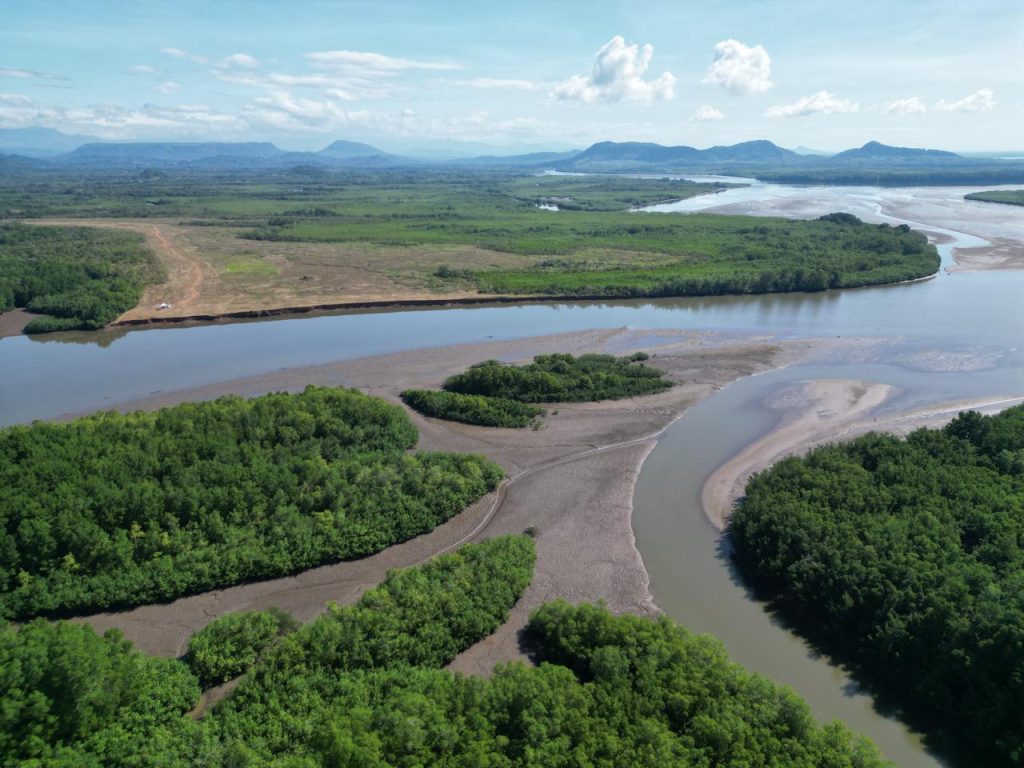
At the core of the controversy is a proposal to develop a multi-million dollar port facility in an area surrounded by approximately 25 percent of Panama’s mangrove coverage. The navigation channel for the project would pass through a zone declared legally protected in 2007. Environmental groups warn that dredging and expanded maritime operations could permanently alter one of the largest mangrove forests in Latin America.
UNESCO Raises Formal Concerns
The United Nations Educational, Scientific and Cultural Organization – UNESCO – has called on Panama to reassess the potential effects of the port on Coiba National Park, a designated World Heritage site. In a public statement, the World Heritage Committee urged authorities to evaluate the project using international impact assessment standards before moving forward with decisions that could be difficult to reverse.
UNESCO emphasized that any potential damage to the Outstanding Universal Value of Coiba must be fully analyzed and avoided. The site is internationally recognized for its biodiversity, marine ecosystems and ecological significance.
Ecological Risks Highlighted
Independent scientific analysis commissioned by international consultants concluded that the Environmental Impact Study for Puerto Barú may have underestimated risks to mangroves and surrounding habitats. Mangrove forests serve as natural coastal protection, carbon storage systems and breeding grounds for marine life.
The area supports species considered critically endangered, including the black-crowned Central American squirrel monkey and the hawksbill sea turtle. Dolphins, coral reefs, fish populations and numerous bird species also inhabit the region.
Environmental advocates argue that large-scale dredging required to accommodate deep-draft vessels could disrupt sediment flows, damage coral ecosystems and permanently alter the coastline. Developers, however, maintain that mitigation measures can reduce environmental risks.
Legal and Institutional Tensions
The project is currently facing two lawsuits before Panama’s Supreme Court. The legal challenges question the approval process of the Environmental Impact Study and the potential ecological consequences of the development.
In a separate development, project proponents have filed criminal and civil actions against environmental NGOs that publicly opposed the port. According to advocacy groups, asset freezes have limited the operational capacity of two organizations involved in raising environmental concerns. These cases have added another layer of tension to the debate, shifting part of the discussion into the legal and civil rights arena.
Economic Context
Supporters of the port argue that Puerto Barú represents an opportunity to diversify Panama’s logistics infrastructure beyond traditional hubs. They point to job creation, regional economic activation and the strategic positioning of western Panama as potential benefits.
The proposal has also been discussed alongside broader logistics initiatives in the province of Chiriquí, including development around Puerto Armuelles, which has been promoted as a future logistics and maritime hub. Advocates suggest that strengthening infrastructure in the west could reduce pressure on central ports and support trade growth.
Critics counter that economic development should not come at the expense of ecosystems protected under national law and international agreements. They argue that Panama’s environmental commitments – including the recognition of the Rights of Nature under Law 287 – must guide infrastructure planning decisions.
A Defining Moment
The Puerto Barú case reflects a broader challenge facing many countries: balancing infrastructure expansion with environmental protection in a climate-sensitive era. For Panama, the debate extends beyond a single port project. It touches on international credibility, biodiversity conservation and the long-term direction of national development policy.
Government authorities have not announced a final determination following UNESCO’s warning. Any revision or continuation of the project will likely depend on further environmental review, court rulings and political decision-making in the months ahead.
The outcome may define how Panama positions itself in global logistics while honoring its environmental responsibilities.
March 1, 2026