


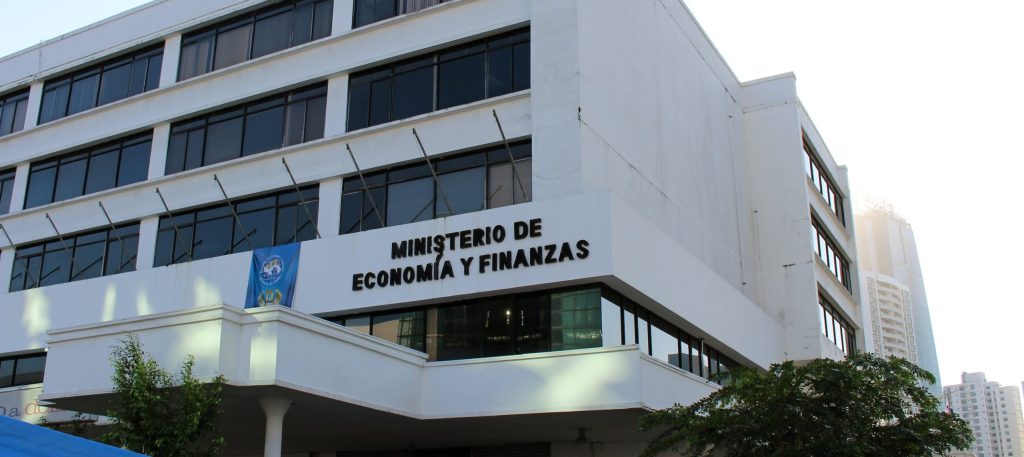
Panama Advances Debt Strategy as Capital Inflows Support Major Projects
Panama’s Ministry of Economy and Finance announced the launch of a new debt management operation this week, confirming plans to repurchase part of the country’s outstanding international bonds. The move comes alongside authorization to issue up to $6 billion in new global bonds, according to Cabinet Decree No. 11 published in the Official Gazette.
The strategy forms part of a broader effort to restructure public liabilities, reduce long-term interest costs, and strengthen the country’s financial position while maintaining funding for national priorities.
What the Government Announced
The planned bond buyback is designed to lower future interest payments and reorganize existing financial commitments. Officials indicated that the repurchase would likely be financed through the issuance of new international bonds with maturities of approximately eight and 12 years, depending on market conditions.
The $6 billion authorization allows the government to issue global bonds to finance the 2025 national budget and future fiscal periods. The decree also permits debt management operations such as refinancing, exchanges, cancellations, and prepayments of both domestic and external debt.
Authorities noted that current market conditions are considered favorable for new issuances, prompting the timing of this initiative.
Financial Improvements in 2025
According to Economy Minister Felipe Chapman, several financial indicators improved during 2025:
- Estimated savings of $475 million in interest payments.
- A reduction in the weighted average effective interest rate of public debt to 4.97 percent by the end of 2025.
- A decline of more than 54 percent in the country’s risk premium.
These developments reflect stronger market confidence and improved borrowing conditions. However, total public debt reached $59.3 billion in December 2025, representing a net increase of approximately $444.7 million compared to the prior period.
While debt levels remain significant, the emphasis appears to be on managing cost efficiency and extending maturities rather than simply reducing nominal totals.
International Capital Commitments: BID Program Exceeds $1 Billion
In parallel, the Inter-American Development Bank – Banco Interamericano de Desarrollo – confirmed that its program of operations for Panama will exceed $1 billion in 2026.
The announcement followed a strategic meeting between BID President Ilan Goldfajn and President José Raúl Mulino. The investment framework includes funding for both public sector initiatives and private enterprise support.
Key pillars of the BID program include:
- Economic growth and institutional strengthening.
- Technical assistance tied to Panama’s approach toward OECD standards.
- Regional integration initiatives.
- Climate resilience and social development projects in Central America and the Dominican Republic.
The multilateral backing reinforces Panama’s access to international financing beyond capital markets, adding depth to the country’s funding sources.
Broader Economic Context
The combination of debt restructuring and multilateral investment signals a coordinated financial strategy. On one side, Panama is managing liabilities to lower long-term financing costs. On the other, international institutions are committing fresh capital to development programs.
For readers following economic trends in areas such as Panama City and established expat destinations like the Azuero Peninsula, this macroeconomic positioning supports continued infrastructure execution and institutional strengthening.
You can explore community insights here:
- Panama City: https://www.casasolution.com/main-community/panama-city/
- Azuero Peninsula: https://www.casasolution.com/main-community/azuero-peninsula-real-estate/
Large-scale fiscal management decisions often influence transportation upgrades, public works, and regional development programs that impact everyday life across provinces.
How This Impacts National Projects
The availability of international capital, combined with lower borrowing costs, provides financial flexibility for:
- Ongoing infrastructure development.
- Public service funding.
- Institutional modernization.
- Climate resilience projects.
While public debt remains elevated, the reduction in interest rates and risk premiums suggests that markets currently view Panama as financially credible. The strategic objective appears to be refinancing expensive debt into more manageable structures while continuing to fund growth initiatives.
For businesses and residents, stable access to international capital markets reduces uncertainty and supports continuity in public investment planning.
A Balanced Outlook
Panama’s total debt remains substantial, and long-term fiscal discipline will remain critical. However, measurable reductions in interest costs, improved credit conditions, and over $1 billion in confirmed multilateral financing for 2026 indicate active management rather than passive accumulation.
The government’s approach reflects two parallel priorities: lowering financing costs while sustaining economic momentum through targeted capital inflows.
For those monitoring Panama’s economic environment, this development signals continued engagement with global financial institutions and international investors under structured, market-based terms.
If you would like insights on how Panama’s evolving economic landscape connects to specific regions or communities, our team at Casa Solution Real Estate is available to provide guidance tailored to your goals.
Written on February 14, 2026