


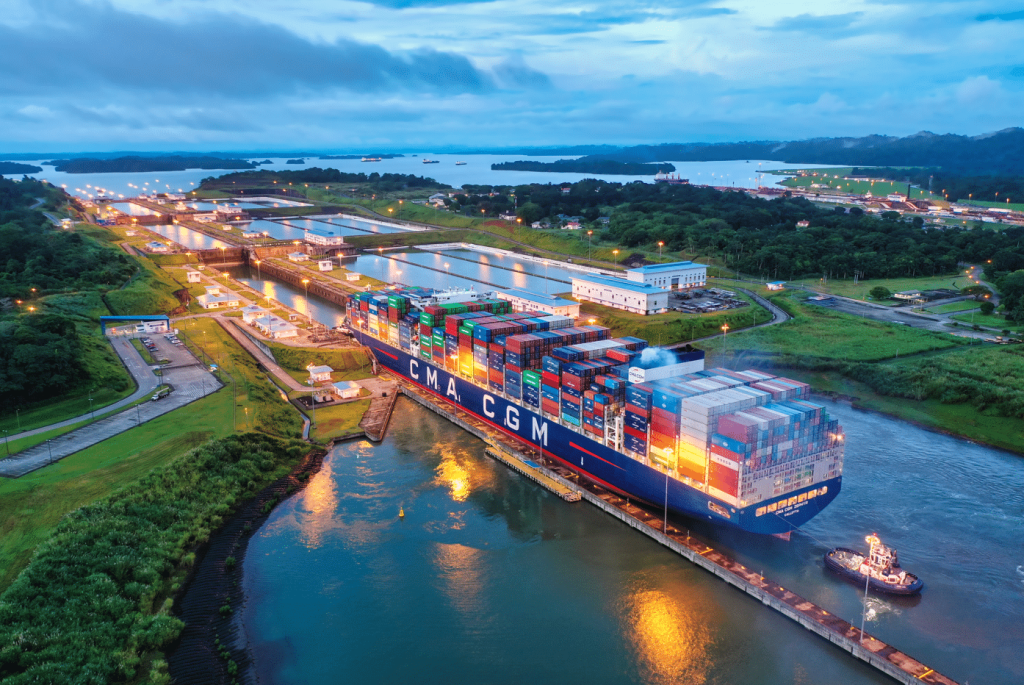
Global Support Builds as Panama Faces Rising Trade Tensions with China
Several countries have stepped forward in recent days to support Panama amid growing concerns over delays and alleged restrictions affecting Panamanian-flagged vessels in Chinese ports. While China has denied the accusations, the situation has quickly evolved into a broader geopolitical issue tied to global trade routes and the strategic importance of the Panama Canal.
At least five countries have publicly aligned in support of Panama: the United States, Israel, Paraguay, Peru, and Honduras. Their statements focus on maintaining fair maritime practices, protecting global supply chains, and reinforcing international law.
Who Is Supporting Panama – And Why It Matters
The United States was among the first to respond. Secretary of State Marco Rubio stated that actions affecting Panamanian vessels could disrupt supply chains, increase costs, and weaken trust in global trade systems. The U.S. reaffirmed its support for Panama’s sovereignty and its role in international logistics.
Israel echoed similar concerns, emphasizing that maritime regulations must remain technical and free from political pressure. Paraguay and Honduras went further, calling the situation “unacceptable” and describing it as commercial pressure that could impact global trade stability.
Peru later joined the group, reinforcing the importance of rule-based maritime operations under international standards. The country highlighted that both flag states and port states have responsibilities under international law and that excessive inspections or delays could undermine trade efficiency.
China Rejects the Claims
China has firmly denied all accusations. Officials described the claims as unfounded and stated that inspections carried out on vessels are routine and based on technical compliance issues. These include safety systems, environmental standards, and crew conditions.
According to Chinese authorities, the inspections are not politically motivated. However, the timing of the situation has raised questions, especially as tensions have increased following Panama’s recent legal actions involving port concessions tied to a Hong Kong-based company.
Why This Is Bigger Than Just Shipping
This situation is not just about ships being delayed. It touches on something much larger – control, influence, and trust in global trade systems.
Panama plays a critical role in global logistics through the Canal. Any disruption, real or perceived, can ripple through supply chains worldwide. That is why multiple countries are stepping in early – not just to support Panama, but to protect the reliability of international trade routes.
Real Estate Perspective – Stability Still Holds
From a real estate standpoint, situations like this tend to create concern at first, but they do not automatically translate into negative market impact.
Panama has historically shown resilience during geopolitical tension due to its neutral position and strategic importance. For investors and expats looking at areas like the Azuero Peninsula or Boquete, the fundamentals remain unchanged – lifestyle appeal, affordability compared to North America, and long-term growth potential.
If anything, moments like this often reinforce Panama’s global relevance. When international attention increases, it tends to highlight the country’s role as a hub rather than weaken it.
That said, it is worth watching how trade dynamics evolve. If tensions were to escalate significantly, there could be short-term effects on logistics, business sentiment, or currency flows. But as of now, the situation remains more political than economic in its direct impact on property markets.
A Situation Still Developing
The situation continues to unfold, with Panama maintaining a relatively measured response so far. The country has not escalated the rhetoric and has focused on sharing international support statements rather than issuing detailed accusations.
For now, the key takeaway is clear – Panama is not standing alone. A growing group of countries is publicly backing its position, signaling that this issue extends beyond bilateral tensions and into the broader framework of global trade governance.
Looking Ahead
As global trade becomes more complex, situations like this are likely to become more common. For Panama, the challenge will be balancing diplomacy with protecting its position as one of the world’s most important logistics hubs.
For investors and residents, the bigger picture remains intact – Panama continues to be a strategic, globally connected country with long-term relevance.
If you are considering investing or relocating in Panama, our team at Casa Solution Real Estate can guide you through the best areas, opportunities, and current market conditions. Reach out anytime to explore your options.
Date: April 3, 2026