
Recent global geopolitical tensions are starting to influence how people travel, invest, and make long-term relocation decisions. While tourism is typically one of the first sectors to react to uncertainty, real estate demand does not always follow the same pattern. In Panama, these two forces may begin to diverge.
Tourism tends to react first
When global uncertainty rises, discretionary spending is often reduced. Travel is usually one of the first expenses households and businesses cut. Research consistently shows that geopolitical risk can reduce tourism demand, and in some cases, the effects last longer than expected.
Panama’s tourism sector has been performing well. Visitor numbers increased by over 8% in 2025, with more than 3 million international arrivals and tourism revenue exceeding $6.5 billion. However, the structure of Panama’s tourism market matters. A large portion of travelers pass through Tocumen International Airport without actually staying in the country. This means that even if total passenger numbers remain strong, actual tourism activity – hotel stays, local spending, and property discovery – can still decline.
Real estate demand follows a different logic
Unlike tourism, real estate decisions are often tied to long-term planning rather than short-term spending. During periods of global tension, some buyers begin to look for stability, diversification, or a “Plan B” location.
Panama offers several characteristics that appeal to these buyers:
- A fully dollarized economy
- Strategic global location
- Established residency programs
- Strong logistics and infrastructure
However, this does not automatically translate into a broad increase in property demand. The impact is highly segmented.
Cash buyers, retirees, and relocation-driven clients tend to remain active or even increase activity. On the other hand, financed buyers are more sensitive to interest rates, credit conditions, and economic confidence.
Financing remains the key constraint
Mortgage data in Panama shows moderate growth in total lending but a slight decline in new mortgage originations. This suggests that while the market is stable, momentum is not accelerating.
At the same time, delinquency rates remain manageable, indicating no widespread distress. However, if global conditions tighten credit or increase borrowing costs, the financed segment of the market could slow quickly.
This creates a clear divide:
- Cash and relocation buyers – more resilient
- Local, financed buyers – more sensitive to uncertainty
A shift already happening in the market
Recent data shows a shift toward apartment-style properties, with growth in the condominium segment while houses and land transactions have declined. This reflects changing demand patterns.
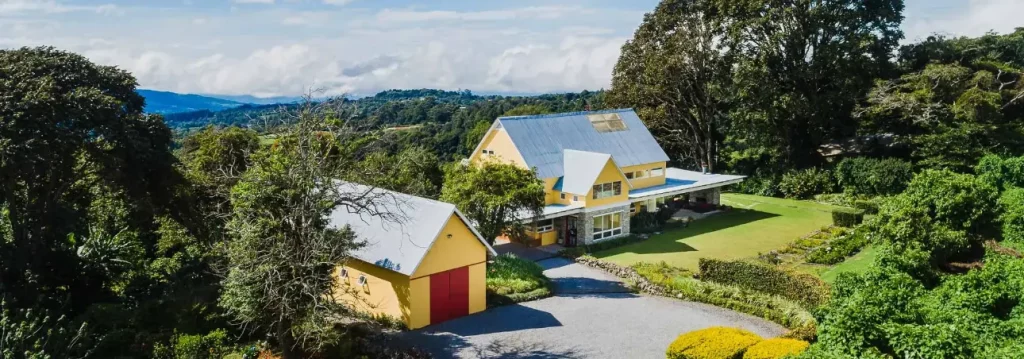
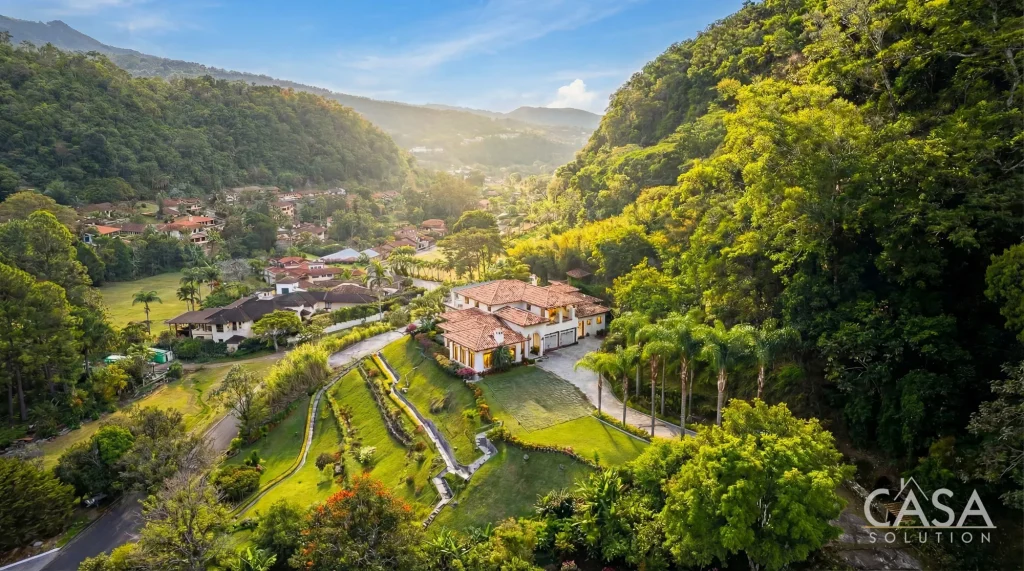
Urban areas like Panama City tend to attract relocation-driven buyers who prioritize infrastructure, healthcare, and connectivity. Meanwhile, lifestyle destinations like Boquete continue to appeal to retirees and long-term residents, even if short-term tourism slows.
This reinforces an important point: not all real estate behaves the same under global pressure.
Where tourism and real estate may diverge
There are three realistic scenarios:
1. Broad global slowdown
Both tourism and real estate decline. This typically happens when credit tightens and economic confidence drops significantly.
2. Moderate uncertainty (most likely scenario)
Tourism softens, but certain real estate segments remain strong. This includes:
- Residency-driven buyers
- Retirees
- High-net-worth individuals
3. Inflation or energy shock scenario
Tourism weakens due to higher travel costs, while some buyers shift toward real assets like property as a hedge.
Property Market Impact – What to Expect
In practical terms, the market becomes more selective rather than universally stronger or weaker.
- Short-term rental and tourism-dependent investments may face more pressure
- Long-term residential demand tied to relocation and lifestyle stability may hold or improve
- Developers may become more flexible with pricing if inventory builds
- Prime locations with infrastructure and accessibility are likely to outperform
Markets such as Panama City and Boquete are positioned differently but both benefit from relocation-driven demand. Meanwhile, purely tourism-driven areas may experience more volatility.
What this means for buyers and investors
The key takeaway is that tourism and real estate are not moving in lockstep. A slowdown in visitors does not automatically mean a weak property market.
Instead, the market becomes more polarized. Buyers who understand financing conditions, residency options, and location-specific demand will be better positioned to make informed decisions.
Final Thoughts
Panama remains a market influenced by global forces, but also shaped by its own fundamentals. As uncertainty rises, the conversation shifts from short-term opportunity to long-term positioning.
For those considering a move, investment, or diversification strategy, clarity around execution – financing, legal structure, and location – becomes more important than timing the market.
If you are exploring opportunities in Panama or want guidance on the right areas and property types, reach out to Casa Solution Real Estate. Our team can help you navigate the market with clear, practical insights.
Written on: April 3, 2026