
Tourism leaders, business executives and government officials used APEDE’s Tourism Forum 2026 to outline a major opportunity for Panama’s interior provinces. According to an analysis presented by Luis Navarro, managing partner of INDESA, tourism spending in the interior could surpass $2 billion over the next decade if Panama strengthens air and road connectivity and builds a more consistent international strategy for provincial destinations.
The discussion focused on a central issue in Panama’s economy: much of the country’s economic activity remains concentrated around Panama City, Colon and Panama Oeste. INDESA’s study noted that these three areas account for 83% of national GDP, while many provinces continue to face lower levels of formal employment, income and competitiveness.
Tourism was presented as one of the clearest tools to help reduce that gap. More visitors to the interior can support hotels, restaurants, tour operators, transport providers, farms, local guides, artisans and small businesses. For residents and investors, this matters because tourism growth tends to create broader demand for services, infrastructure and long-term community development.
Government Focuses on Better Connectivity
PROMTUR Panama’s general director, Salomon Shamah, announced that the government is allocating $4 million to promote non-seasonal international direct flights to destinations in the interior. One of the first examples will be a direct flight between Quito, Ecuador and Rio Hato, scheduled to begin in June.
Shamah also said there are advanced negotiations for additional international routes to other provinces. The strategy is based on market research, commercial intelligence and stronger partnerships with travel agencies, with the goal of making Panama more visible in markets where the country still has room to grow.
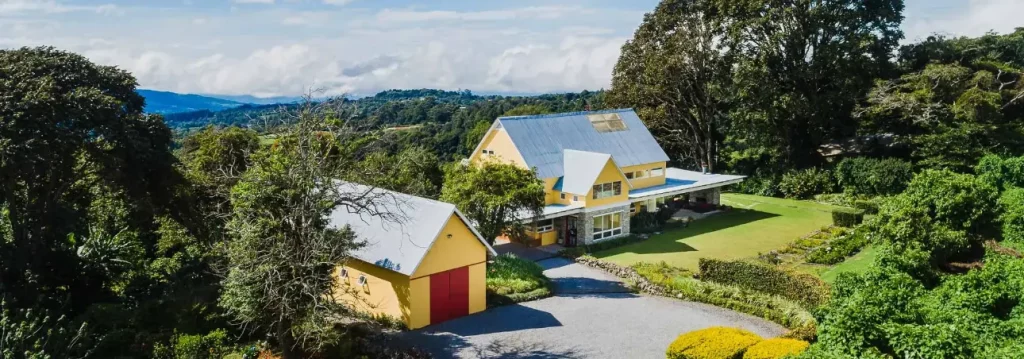
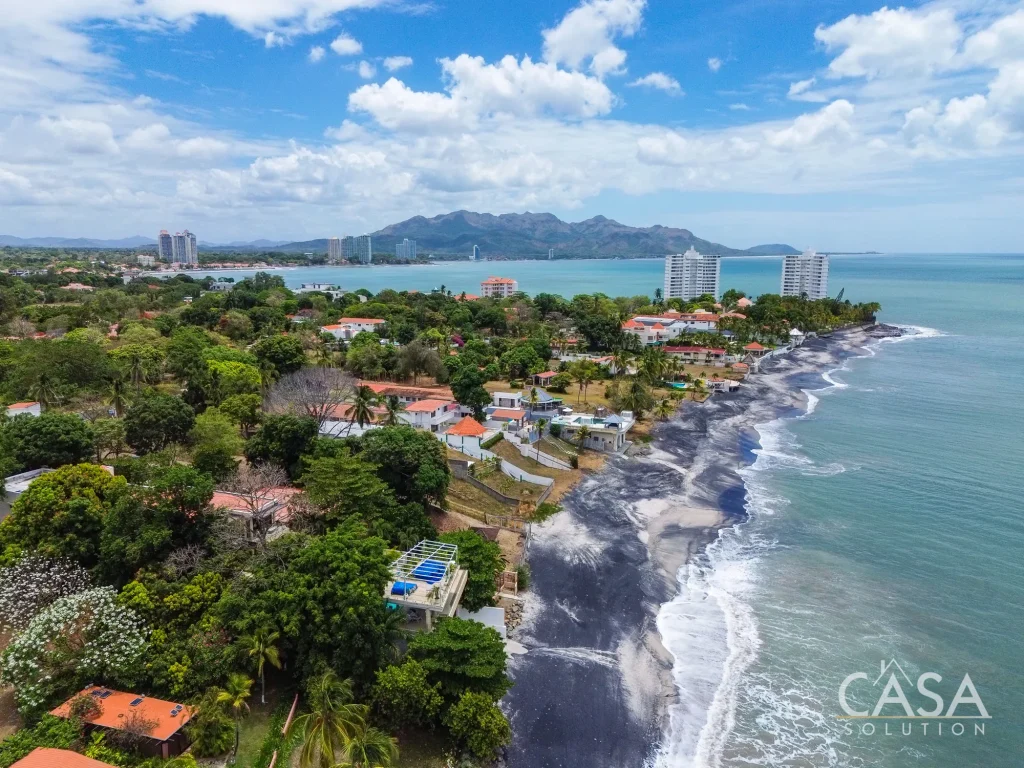
This is especially relevant for destinations such as Rio Hato – Playa Blanca, which already benefits from beach tourism and airport infrastructure, and Boquete, which has become one of Panama’s best-known mountain destinations for visitors, retirees, expats and second-home buyers.
Nearly One Million Visitors in the First Quarter of 2026
Jorge Correa, deputy administrator of the Panama Tourism Authority, reported that Panama received 999,934 international visitors from January to March 2026. That represents a 17.3% increase compared with the same period last year.
Tourism activity also generated about $2 billion in economic impact during the first three months of the year. Programs such as Stopover, Seguro al Turista and Tripea Lo Tuyo were highlighted as tools to encourage visitors to explore destinations beyond the capital.
One of the most important points for the real estate and hospitality sectors is that more than 30% of travelers using the Stopover program end up visiting beaches and tourism destinations in the interior. That suggests international visitors who first arrive through Panama City are increasingly open to discovering provincial areas.
Chiriqui Leads Interior Tourism Growth
Chiriqui stood out as one of the strongest examples of interior tourism momentum. According to PROMTUR’s business intelligence team, Chiriqui moved from fourth place among the most visited provinces in 2023 to second place nationally and first place among interior provinces.
Today, 17% of national tourism spending takes place in Chiriqui, supported by destinations such as Boquete, Tierras Altas and other mountain areas. More than 80,000 tourists booked trips to interior destinations between January and April 2026 through strategic partnerships promoted by PROMTUR.
Infrastructure Investments Could Support More Regional Travel
Minister of Public Works Jose Andrade said the government is developing 26 projects directly or indirectly tied to tourism, with more than $1.1 billion in investment. These include work on the Pan-American Highway, access improvements toward El Valle de Anton, Punta Chame and Gorgona, and strategic projects such as the Coffee Route in Chiriqui, Calobre-La Yeguada and the David-Boquete road.
Better access can make a meaningful difference for tourism destinations. For example, El Valle de Anton already attracts visitors looking for nature, cooler weather and weekend escapes from the city. Improved roads can make that type of destination more attractive for both domestic and international travelers.
What This Could Mean for Property Markets
If Panama is able to convert better connectivity into sustained visitor growth, some interior property markets could benefit from stronger demand for vacation rentals, boutique hotels, restaurants, mixed-use properties and second homes. Areas with established tourism brands, reliable access and existing services are likely to benefit first.
That said, growth will not be automatic. New flights and roads help, but destinations also need consistent service quality, safety, hospitality training, internet reliability, good property management and clear investment rules. Investors should be careful not to assume that every interior market will grow at the same pace.
The most practical takeaway is that tourism momentum favors areas that already have a clear identity. Mountain destinations like Boquete, beach hubs like Rio Hato and Playa Blanca, and nature-focused communities such as El Valle are well positioned if Panama’s long-term tourism strategy is implemented effectively.
For property buyers, expats and residents, this is a positive development to watch. Tourism growth can bring more services, more business opportunities and stronger local economies, while also creating new demand for well-located real estate.
Casa Solution Real Estate helps buyers and sellers understand Panama’s regional markets, from established expat communities to emerging tourism areas. Contact Casa Solution for guidance on finding the right property, evaluating local market conditions and making informed real estate decisions in Panama.
Date Written: May 31, 2026