

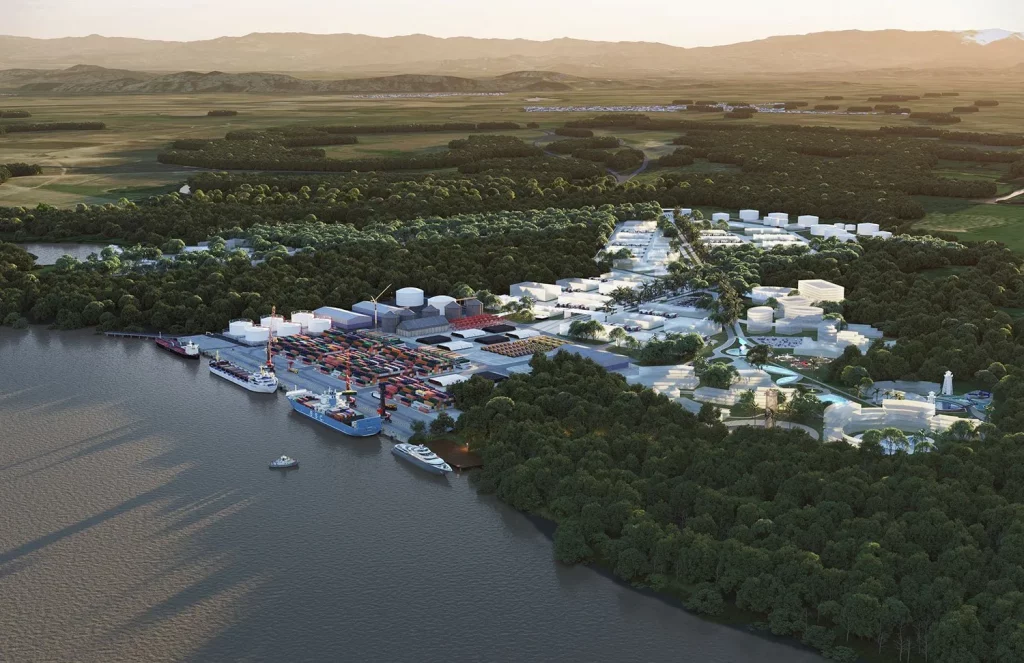
Panama’s proposed Puerto Barú development has entered a technical review phase following concerns raised by UNESCO about its potential impact on Coiba National Park, a protected World Heritage Site in Veraguas.
The Ministry of Environment (MiAmbiente) confirmed it has begun analyzing the project after receiving UNESCO Decision 47 COM 7B.39. The review will focus on whether the port could affect the park’s ecological integrity and surrounding marine protected areas.
What Is Happening Now
MiAmbiente stated that no final decision has been made yet. The institution is currently conducting technical and scientific evaluations before issuing an official position.
As part of this process, Panama has requested a UNESCO advisory mission, expected around mid-2026. This mission will help guide how environmental impact assessments should be carried out under international standards.
Why UNESCO Is Involved
Coiba National Park is recognized globally for its biodiversity and marine ecosystems. Because of its World Heritage status, any nearby development must meet strict environmental criteria.
UNESCO’s role is to ensure that projects do not compromise what it defines as the site’s “Outstanding Universal Value,” which is the basis for its protected status.
What This Means for the Project
At this stage, the Puerto Barú project has not been approved or rejected. It remains under evaluation.
There are several possible outcomes:
- The project could proceed if it meets environmental requirements
- It could be modified to reduce potential impact
- It could face delays while additional studies are completed
- It could be halted if risks are considered too significant
Timeline and Next Steps
The review process is expected to continue through 2026, especially with the planned UNESCO advisory mission.
MiAmbiente has emphasized that it will follow international recommendations and prioritize environmental protection in its final decision.
Bottom Line
Puerto Barú is still a viable project, but it is now subject to a more rigorous review process.
A final decision will depend on the results of ongoing technical studies and the recommendations provided by UNESCO.
Date: April 12, 2026