

The Cheapest Way to Get Residency in Panama Depends on Who You Are
For people looking at Panama as a long-term base, the cheapest residency option is not the same for everyone. The answer depends mainly on whether the applicant has a qualifying pension, a real job offer in Panama, remote foreign income, or enough capital to invest.
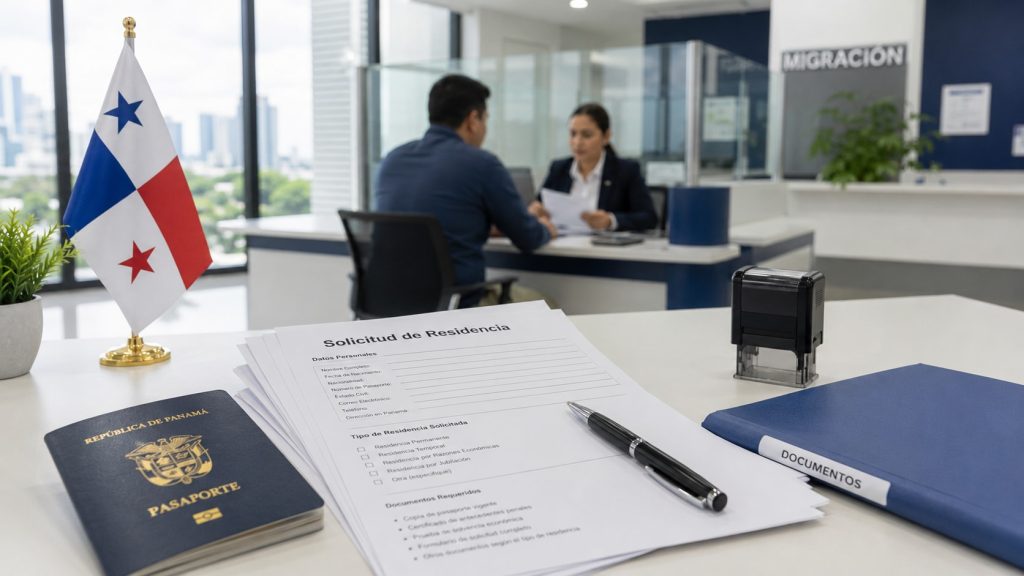
Panama has several immigration categories, including non-resident visas, permanent resident permits, and temporary resident permits, according to the National Immigration Service of Panama. The practical question is not only “What is the cheapest?” but “Which option can you honestly qualify for?” (Migración Panamá)
TL;DR: The cheapest way to get residency in Panama is usually the Pensionado Visa for retirees with a qualifying lifetime pension, while non-retirees may find the lowest-cost path through the Friendly Nations Visa if they have real employment in Panama.
For Retirees, Pensionado Is Usually the Lowest-Cost Residency Path
For retirees or people receiving a lifetime pension, Panama’s Pensionado Visa is generally the most affordable true residency route. The official requirement is a lifetime pension of at least B/.1,000 per month, or its equivalent in foreign currency. Dependents require an additional B/.250 per month each.
This is one reason Panama has remained popular with retired expats. Unlike investor-based visas, the Pensionado route does not require a $200,000 or $300,000 investment. It is based on income, not capital.
The other important point is that this permit is indefinite and does not require renewal, according to Panama’s immigration requirements. That can make it cheaper over time because the applicant avoids repeated renewal processes.
For Non-Retirees, Friendly Nations Can Be Cheap – But Only If It Is Real
For younger applicants or people who do not have a pension, the Friendly Nations route can be one of the lower-cost options if the applicant qualifies through employment. Panama’s immigration rules list labor, real estate investment, and fixed-term bank deposit as qualifying routes under this category.
The employment route may be the cheapest on paper because it avoids the B/.200,000 investment required under the real estate or fixed-deposit options. However, this is where people need to be careful. A job offer cannot be fake paperwork created only to get residency. The official requirements refer to an employment letter, the employer’s public registry certificate, the company’s operation notice, and the work permit process before MITRADEL.
The Friendly Nations option also includes government checks of B/.250 to the National Treasury and B/.800 to the National Immigration Service, before legal fees and document costs.
Remote Worker Visa Is Cheap, But It Is Not Permanent Residency
Panama’s short-stay remote worker visa may look like the cheapest option for digital nomads, but it is not the same as residency. It is officially classified as a non-resident visa. Applicants must show foreign-source income of at least B/.36,000 per year, or B/.3,000 per month. The visa lasts nine months and can be renewed once for another nine months.
The cost of the card is listed at B/.50, with an additional B/.250 payment to the National Immigration Service.
So, for someone testing life in Panama, this may be a low-cost legal stay option. But for someone asking about residency, it should not be confused with a long-term immigration solution.
The Real Cheapest Option
The cheapest legitimate option is usually:
- Pensionado Visa – best for those with a qualifying lifetime pension.
- Friendly Nations through real employment – potentially low-cost for eligible applicants with a genuine Panamanian job.
- Remote Worker Visa – cheaper for a temporary stay, but not true residency.
- Investor visas – useful for some applicants, but not the cheapest path.
For people exploring Panama seriously, the smartest move is to match the visa to the facts of their life instead of chasing the lowest headline number. Panama remains accessible compared with many countries, but the immigration process still requires proper documentation, apostilles, translations, health certificates, background checks, and professional legal guidance.
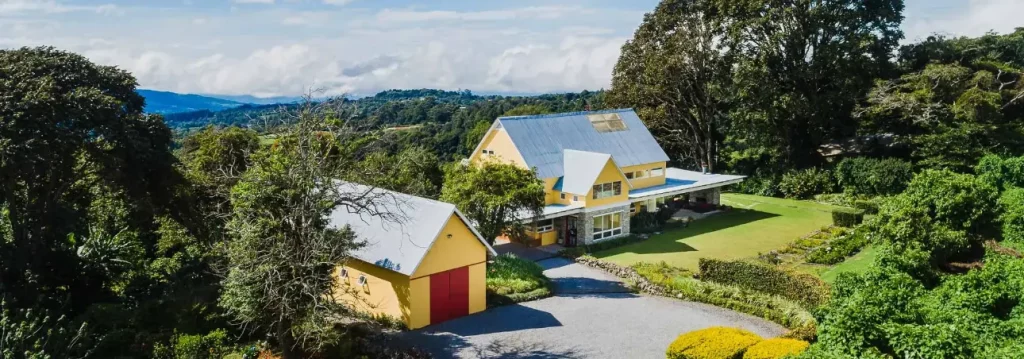
Expats considering residency often begin by comparing lifestyle locations such as Boquete and Panama City, both of which are listed among Casa Solution’s community resources.
Casa Solution can help clients understand the lifestyle side of relocating to Panama, including where different areas may fit best depending on budget, climate preferences, amenities, and long-term plans.
Date written: May 9, 2026